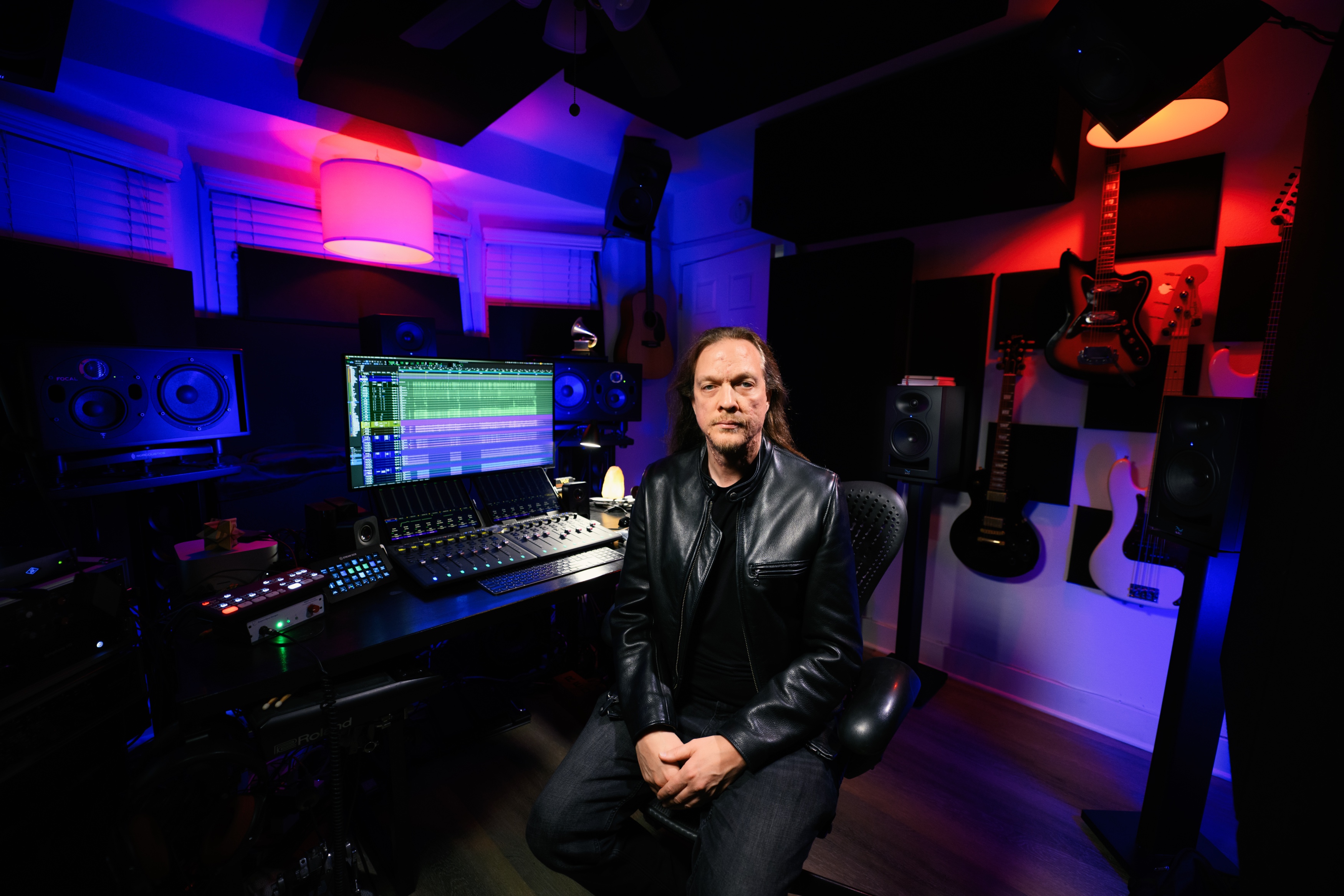
Brendan Dekora in the studio
Before we get started

Welcome

Hey, I'm Brendan. If you're here, it probably means we're about to start working together, or you're checking things out before moving forward. Either way, glad you found your way here.

Here's a quick overview of how things go from here.

Step 1 of 4
01

Good to
Know

How long until I get my first mix back?

Usually about 5 business days. I'm lucky to stay busy working with artists I'm genuinely excited about, so that's the typical wait for a first pass.

Will you tune or edit my vocals (or other tracks) as part of the mix?

Mixing and editing are two different things. I'd love for vocals, drums, and everything else to be fully comped, tuned, and edited before they land with me, that way I can spend my time on the part that actually moves the needle, the creative decisions that make your song hit harder.

If we've already talked through tuning as part of your project, that's covered. This is just for everything else.

I get it though, sometimes you don't know what needs adjusting until you hear it in the mix. Small touch-ups here and there are no problem. And if something else comes up along the way that's outside the original plan, just let me know as soon as you can and we'll figure out the best way to handle it.

If it turns into something bigger, like tuning a big batch of vocals or editing a full drum performance, that becomes its own project, and I'll always give you a heads-up before there's any additional cost.

Can you change or re-amp my guitar tone?

I could, but I choose not to, and here's why: tone is one of the most personal choices an artist makes. The amp, the pedals, the way you play into it, that's part of your fingerprint on the song. Re-amping after the fact means replacing that fingerprint with my guess at what you might've wanted, and I'd rather work with what's actually you.

What I focus on instead is making your tone sit huge in the mix: EQ, compression, space, the things that turn a great guitar sound into one that hits hard next to drums and vocals instead of getting lost.

Do you use drum samples?

I'm a drummer first, so I tend to keep drums sounding natural and lean on samples as little as possible. That said, if I hear something that I think can genuinely be improved with a sample, I'll bring one in.

How much I lean on them depends a lot on the references you share in your questionnaire, and how close you want the song to land to those. A light touch of samples can add some extra weight and clarity without anyone really noticing they're there. Pushed further, samples can make drums feel huge and in-your-face, but that comes with a trade-off, the more present they are, the more they can start to feel like a drum machine instead of a kit. Some styles lean into that on purpose, others really don't.

That's a big part of why your questionnaire answers matter so much to me. They're what help me figure out which direction is actually right for your song.

How does the revisions timeline work?

Once you hear the first mix, the back-and-forth is usually the fun part, this is where we dial in all the little things and the song really comes together. Most clients wrap up their revisions within a week or two when we're both staying responsive, and honestly, that momentum is what makes a mix come together fast and feel great.

To make sure there's plenty of room for everyone's schedule, you've got a full 30 days to get everything feeling right. If you need more time than that, or want changes after the final files are delivered, just reach out, those will come with an additional fee, but I'll always let you know what to expect before moving forward.

How do we actually go through revisions and notes?

I use a simple online system where you and anyone else on the project can leave timestamped notes directly on the mix. Everyone can see what's been said and where, so there's no confusion about who wants what, and nothing gets lost between people. I'm able to reply directly to each note too, so if something needs more explanation or context, that conversation lives right there with the note itself.

On top of that, we'll hop on a video call with high-res audio. Honestly, this is one of my favorite parts of the process. A lot of times, you'll know something feels off but not quite how to put it into words, or you'll have a feeling about a song that's hard to translate into "turn this up" or "add more of that." That's totally normal, and it's not on you to know the technical side of it, that's what you're hiring me for. On the call, we can talk through what you're feeling, and I can help translate that into what actually needs to happen sonically to get you there.

I have a release deadline, can you work with that?

Just let me know as early as you can. I'll always do what I can to make a hard deadline work, and I'll let you know exactly what we'd need to do to hit it.

When are you available?

I keep studio hours Monday through Friday so I can stay fully focused on the music during the week. I'm usually not able to respond on weekends or holidays, that's part of how I keep the work sounding its best.

That said, every once in a while I'll sneak in a quick revision after hours or over a weekend if I can. I just can't promise it every time, that time is dedicated to my family and to recharging, and honestly, that's part of what keeps me showing up for your music at my best too.

Can I skip your mastering and bring in my own mastering engineer instead?

Of course. Including mastering is actually my way of keeping things more affordable. Hiring a mastering engineer separately adds real cost, so building it into my rate means you get a fully finished, ready-to-release song without an extra line item.

That said, if you've got a mastering engineer you trust and want to bring them in, that's a great call too, a second set of ears can genuinely add something special. I'm always happy to recommend a few I rate highly if you'd like.

One thing worth knowing either way: the price stays the same whether you use my mastering or someone else's. That's just part of how I've built the process, it lets every mix come back already sounding its best, which makes it so much easier for both of us to make clear calls during revisions.

What will I actually receive when the mix is done?

Every song comes with a complete set of files, ready to go:

  • Main Mix, the final, mastered version of your song, ready for release. You'll get both a high-res version for platforms that support it, and a CD-quality version for those that don't.
  • Main Mix for Mastering, a high-res version of the final mix, ready to hand off if you choose to work with a separate mastering engineer.
  • Instrumental Version, the song without vocals, great for social teasers, sync opportunities, and more.
  • A Cappella Version, vocals only, useful for remixes, alternate versions, or sync.
  • Karaoke / TV Mix (when applicable), lead vocals removed, background vocals intact, perfect for live shows without a full backing band.

If you ever need stems (grouped tracks like drums, guitars, leads, and keys for things like sync placements, backing tracks, or remixes), those are available as an add-on for $75 per song.

Step 2 of 4
02

Client
Agreement

Take a look at the client agreement below. It walks through everything in plain English. No legal jargon, just clarity on what's included and how we'll work together.

View the agreement
Step 3 of 4
03

Pre-Mix
Questionnaire

I'd love for you to fill out a short pre-mix questionnaire so I can get a clear sense of your goals, both emotionally and sonically. The more details you can share about what you want to hear, the better I can nail it on the first pass.

Start the questionnaire
Step 4 of 4
04

Deliveries

Take a look at how I'd like files prepared and sent over. It covers everything from rendering instruments to file formats, so there's no guesswork on either end. If anything's unclear, just ask.

View delivery specs
Scroll